


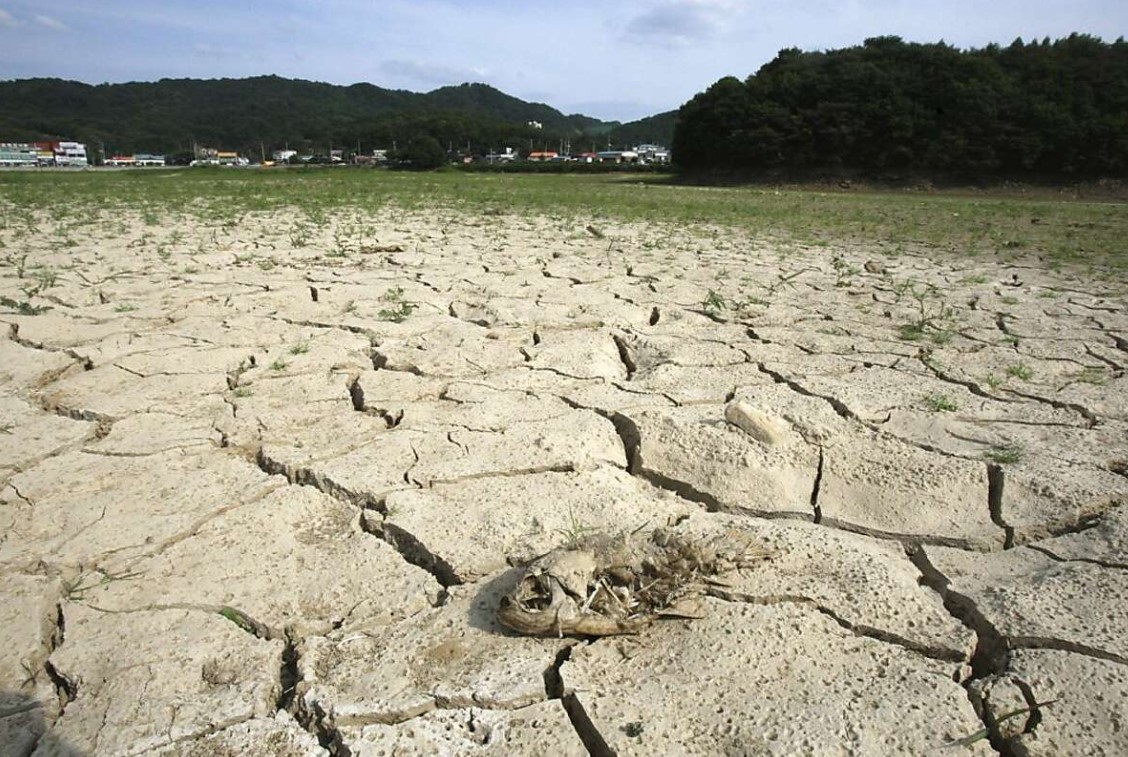
As global water stress intensifies, several nations are turning to desalination to meet their freshwater needs. The Middle East, in particular, dominates the list of countries grappling with extreme water scarcity due to its arid climate, limited rainfall, and lack of renewable freshwater sources. Here’s a look at the top seven countries most affected—and how desalination is playing a critical role in their survival:
- Kuwait
Leading the list, Kuwait sources over 99% of its freshwater from desalination plants. With virtually no natural freshwater bodies, the country relies heavily on advanced desalination infrastructure to supply municipal water. - Cyprus
This Mediterranean island nation faces hot, dry summers and minimal rainfall. Desalination and water recycling plants are central to its water strategy, helping offset the limited natural supply. - Oman
Oman has made notable progress in desalination, converting seawater into potable water to meet rising demand. Despite these efforts, its growing population and dry climate continue to strain resources. - Qatar
A desert nation with no rivers, Qatar depends almost entirely on desalination to meet its water needs. Rapid urbanization and industrial growth have intensified demand, making desalination indispensable. - Bahrain
With extremely limited renewable freshwater and high per-capita consumption, Bahrain relies on desalination for most of its water supply. Its arid climate and dense population compound the challenge. - Lebanon
Unlike its Gulf neighbors, Lebanon’s water stress stems from over-extraction, pollution, and mismanagement. While desalination is less prevalent, it is increasingly being considered as part of long-term solutions. - United Arab Emirates (UAE)
The UAE has invested heavily in desalination to counteract decades of groundwater depletion and minimal rainfall. Its high water usage per capita makes desalination a cornerstone of its water security strategy. - For these nations, desalination is more than a technological solution—it’s a strategic necessity. As climate change and population growth continue to pressure global water systems, desalination offers a scalable, if energy-intensive, path forward.
For these nations, desalination is more than a technological solution—it’s a strategic necessity. As climate change and population growth continue to pressure global water systems, desalination offers a scalable, if energy-intensive, path forward.
(Source: WIO News)