


By John — Desalination News
A Porto-based startup that turns desalination’s biggest waste stream into fresh water and saleable minerals has raised €1.1 million in the first closing of a seed round, as investors place an early bet on technology designed to make brine disposal profitable rather than merely manageable.
Seamoretech’s round was backed by Rypples, Seven Seas Capital and Crédito Agrícola, along with several individual investors with backgrounds in ocean technology and climate-focused ventures. The Portuguese company, founded in 2021 and now employing around ten people, has built a containerized system that processes brine, the concentrated salt solution left over once a reverse osmosis desalination plant has extracted as much fresh water as it practically can from seawater. Rather than treating that leftover brine purely as a disposal problem, Seamoretech’s technology uses forward osmosis, a membrane process that draws water across a membrane using a concentration gradient rather than the high pressure reverse osmosis requires, to pull additional fresh water out of the brine while concentrating the minerals left behind to the point where they can be recovered and sold. The company says its process can recover magnesium, calcium, copper and lithium from the resulting concentrate, minerals with established industrial demand that are otherwise simply discharged back into the sea along with the rest of a plant’s brine.
Seamoretech is pitching the system as a retrofit rather than a replacement: it says the containerized units can be installed alongside an existing desalination plant without halting its operations and without requiring the plant operator to put up capital upfront, an approach aimed at persuading already-built facilities to adopt the technology rather than waiting for a new generation of plants to be designed around it. The company’s stated figures are ambitious. It claims the system can roughly double a plant’s freshwater output from the same seawater intake, cut the energy required per unit of additional water recovered by about half compared with conventional reverse osmosis, lower operating costs by around 30%, and reduce the carbon footprint of sourcing those minerals by as much as 80% compared with conventional land-based mining. None of those figures have yet been independently verified at commercial scale, and the company has not disclosed a specific pilot site, plant partner or timeline for its first installation.
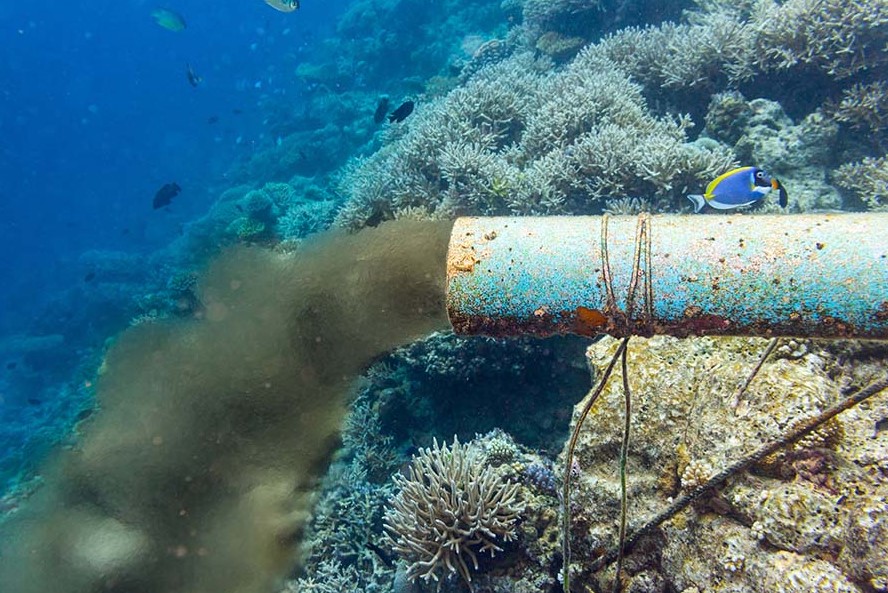
The funding adds Seamoretech to a small but growing cluster of companies and researchers treating desalination brine as an underused resource rather than strictly as waste, an area Desalination News has previously examined in detail given the sheer scale of brine the global desalination industry produces each day. A separate line of research has pursued the same goal through different chemistry: scientists working on a liquid-metal tin process have demonstrated magnesium recovery rates above 99% from desalination brine using an entirely different separation mechanism. Both approaches point to the same underlying economic logic: as desalination capacity keeps expanding to meet growing water demand, so does the volume of brine that plants must either discharge, at some environmental cost, or find a use for, and minerals like magnesium, lithium and copper carry real market value if they can be extracted cheaply enough to beat conventional mining.
Whether Seamoretech’s technology can deliver on its claimed performance figures at the scale of an actual operating desalination plant, rather than in a lab or a demonstration unit, remains to be seen, and a seed round of this size is a modest first step for a company aiming to retrofit an entire industry’s waste stream. But the interest from ocean-technology-focused investors reflects a broader shift in how brine is increasingly being viewed across the desalination sector, less as an unavoidable cost of doing business and more as a byproduct that, with the right technology, might help pay for itself.
(Source: StartupRise, SignalBase)