


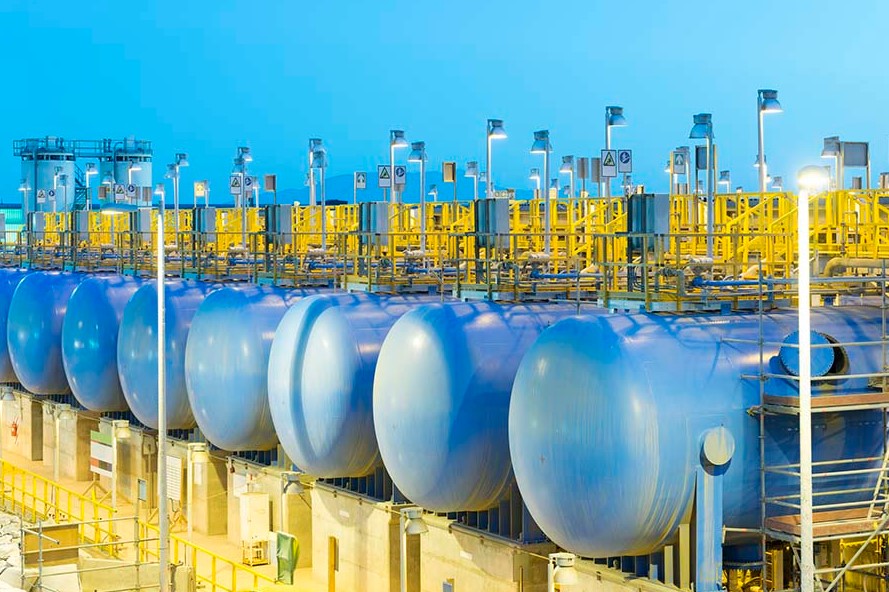
The global market for water desalination and purification equipment is poised for robust growth, driven by rising demand for clean water across industrial, municipal, and residential sectors. According to Future Market Insights, the market is projected to expand from USD 38.9 billion in 2025 to USD 86.3 billion by 2035, reflecting a compound annual growth rate (CAGR) of 8.3%
This growth is fueled by increasing water scarcity, rapid urbanization, and the need for sustainable water management solutions. Governments and private entities are investing heavily in large-scale desalination plants, while smaller, decentralized systems are gaining traction for commercial and household use. The adoption of advanced technologies—such as membrane filtration, reverse osmosis, and AI-powered monitoring systems—is helping improve efficiency and reduce operational costs.
Automatic systems are expected to dominate the market, accounting for 70% of revenue share in 2025. These systems offer consistent water quality, reduced manual intervention, and enhanced scalability, making them ideal for municipal and industrial applications. Meanwhile, large-scale systems will lead the system scale segment with a 55% share, driven by the need to supply water to densely populated urban centers and industrial zones.
The desalination segment itself is projected to hold 48% of market revenue in 2025, underscoring its importance in converting seawater and brackish sources into potable water. Key regions driving growth include North America, Asia-Pacific, and Europe, with major players such as Veolia, SUEZ, IDE Technologies, Doosan Heavy Industries, and Toray Industries leading innovation and deployment.
As climate change intensifies and freshwater sources become increasingly strained, the water desalination and purification equipment market is expected to remain a cornerstone of global water infrastructure development.
(Source: Future Market Insight)