


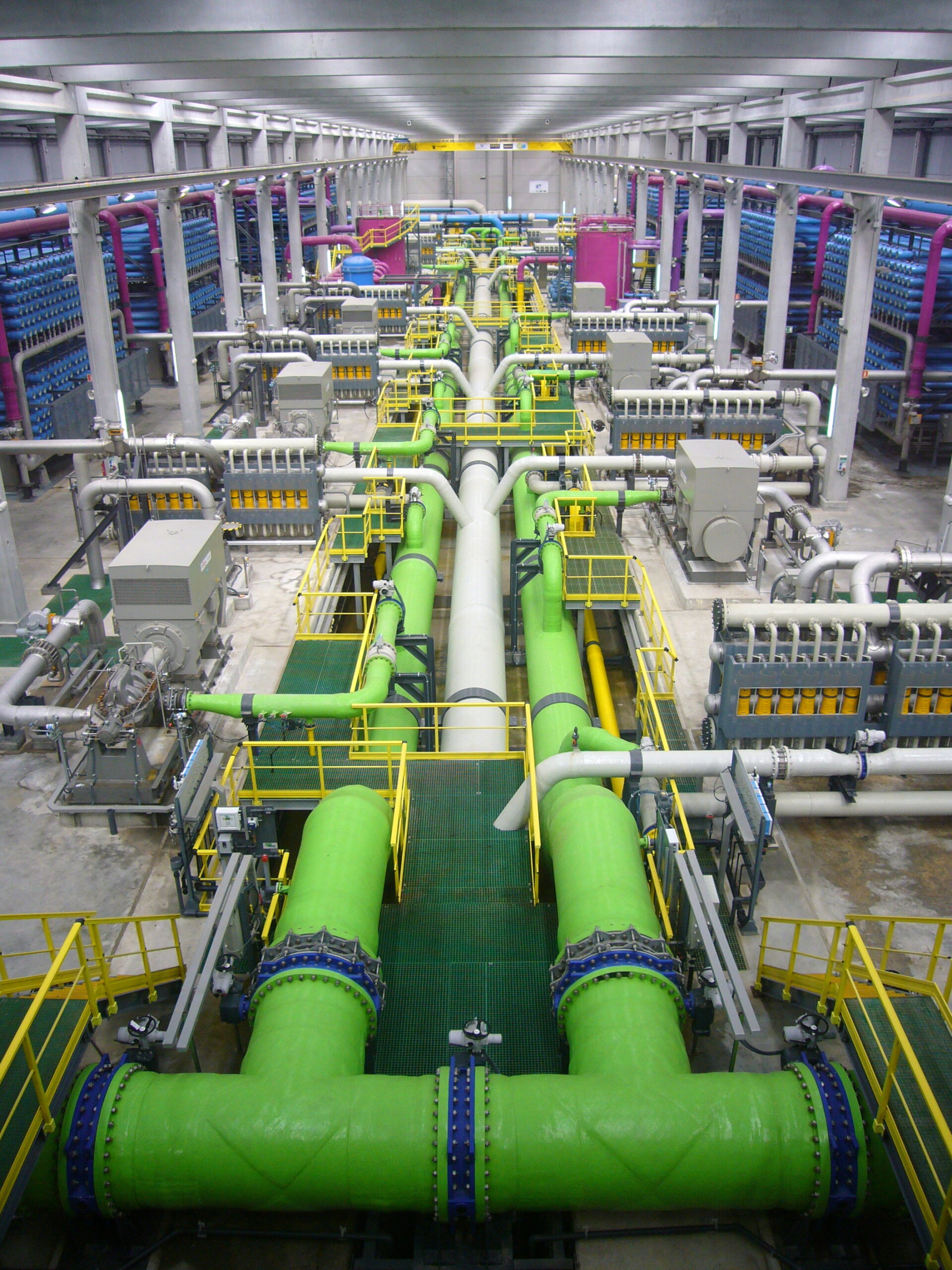
By John — Desalination News
Ghana’s government is weighing a settlement of roughly $80 million to resolve a long-running dispute over an idle desalination plant in Accra, a move that would end a fight that has already produced a far larger arbitration award against the state and could finally bring the plant back online after more than a year offline.
Finance Minister Dr. Cassiel Ato Forson has indicated the government will cover the full cost of the proposed settlement, a shift from earlier expectations that Ghana Water Limited (GWL), the state utility, would raise around $10 million of its own toward any deal. The offer on the table comes from Befesa Desalination Developments Ghana Limited (BDDG), the operator of the Teshie-Nungua plant and a company that is 95 percent owned by the Spanish infrastructure group Cox, which has signaled it would accept about $80 million to settle and allow operations to resume.
The settlement talks follow a September 17 ruling by an International Chamber of Commerce arbitration tribunal, which found GWL liable for $235 million, net of taxes, after the utility terminated its water purchase agreement with BDDG. That agreement had committed GWL to buy treated seawater from the Teshie-Nungua plant regardless of how much it actually used, a structure that left the government on the hook for fixed capacity charges even as the facility sat largely unused. Interest on the $235 million award has been accruing since April 1, adding pressure on the government to resolve the matter quickly rather than let the liability continue to grow.
Dr. Shafic Suleman, Executive Secretary of Ghana’s Public Utilities Regulatory Commission, said the plant’s operations could restart if the finance minister makes a firm commitment to the settlement by the end of the year, framing the coming weeks as a practical deadline for ending the standoff. A settlement at roughly a third of the arbitration award would spare Ghana the larger payout while, in theory, giving the country back a working desalination plant it has effectively paid for without receiving water from in return.
The Teshie-Nungua plant was built under an agreement signed around 2010 and commissioned roughly five years later, with a contracted capacity of 60,000 cubic meters a day serving communities in and around Accra’s Teshie, Nungua and Lashibi neighborhoods. It has been a recurring source of controversy for Ghana’s water sector, with critics raising concerns over the years about the plant’s running costs, the taste and salinity of its treated water, and the fixed take-or-pay terms that locked the government into paying for capacity it was not using. Those tensions boiled over into the current dispute once GWL moved to terminate the agreement and the plant was shut down.
How the government ultimately structures and finances any settlement remains to be seen, and nothing has been finalized; Finance Ministry officials have not detailed where the money would come from or when a deal might be signed. The episode is likely to keep drawing scrutiny to other legacy water agreements across Africa that tied governments to fixed payments based on contracted capacity rather than water actually delivered, a structure that has proven costly when demand or operations fall short of what was projected when the deals were signed. For residents of Teshie and neighboring areas who have gone more than a year without the plant’s output, the practical question is simpler: whether a resolution arrives in time to get water flowing again before the year is out.
(Source: MyJoyOnline)