


Facing a deepening water crisis, the Pakistani government is turning to Chinese expertise to fully operationalize the Gwadar Port Authority’s (GPA) desalination plant. The move comes after a high-level meeting chaired by Federal Minister for Planning, Development and Special Initiatives, Ahsan Iqbal, which reviewed the dire water and electricity situation in the coastal city.
Gwadar has been grappling with severe water shortages due to a prolonged drought—nearly 18 months without significant rainfall—which has left its main reservoirs, Ankara and Swad Dams, completely dry. In response, authorities have reactivated the Shadi Kaur Dam pipeline after more than three years, now supplying around 1 to 1.2 million gallons of water daily.
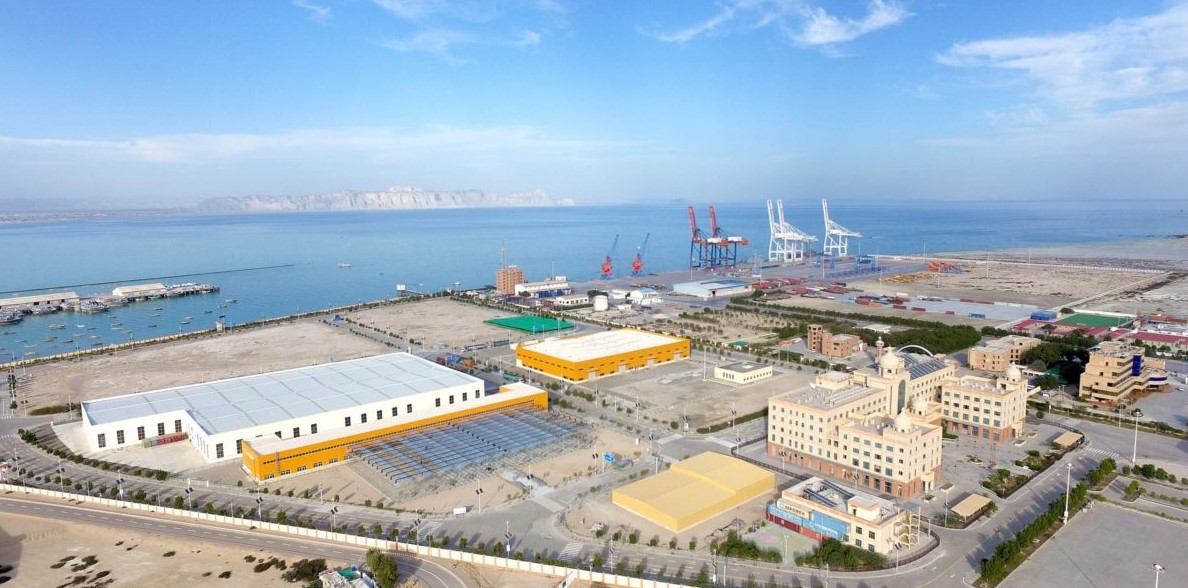
The GPA desalination facility, currently producing between 500,000 and 600,000 gallons of potable water daily for older parts of the city, is not operating at full capacity. Built with a Chinese grant of $12.7 million and inaugurated in December 2023, the 1.2 million gallons per day (MGD) seawater plant is located in the Gwadar Free Zone and was designed to meet both residential and port-related water needs.
Minister Iqbal has instructed relevant agencies to urgently engage Chinese engineers via the Chinese Embassy to restore the plant’s full functionality. He emphasized the need to mobilize all available resources to mitigate the crisis.
On the energy front, the Ministry of Energy is developing an Integrated System Plan to stabilize Gwadar’s electricity supply. The Quetta Electric Supply Company (QESCO) has already implemented measures to ensure a steady 40–45 MW power flow, including installing shunt reactors, voltage regulators, and polymer insulators.
The meeting also called for fast-tracking all water and power projects and conducting a comprehensive water study to secure long-term solutions for Gwadar.
(Source: Daily Independent)