


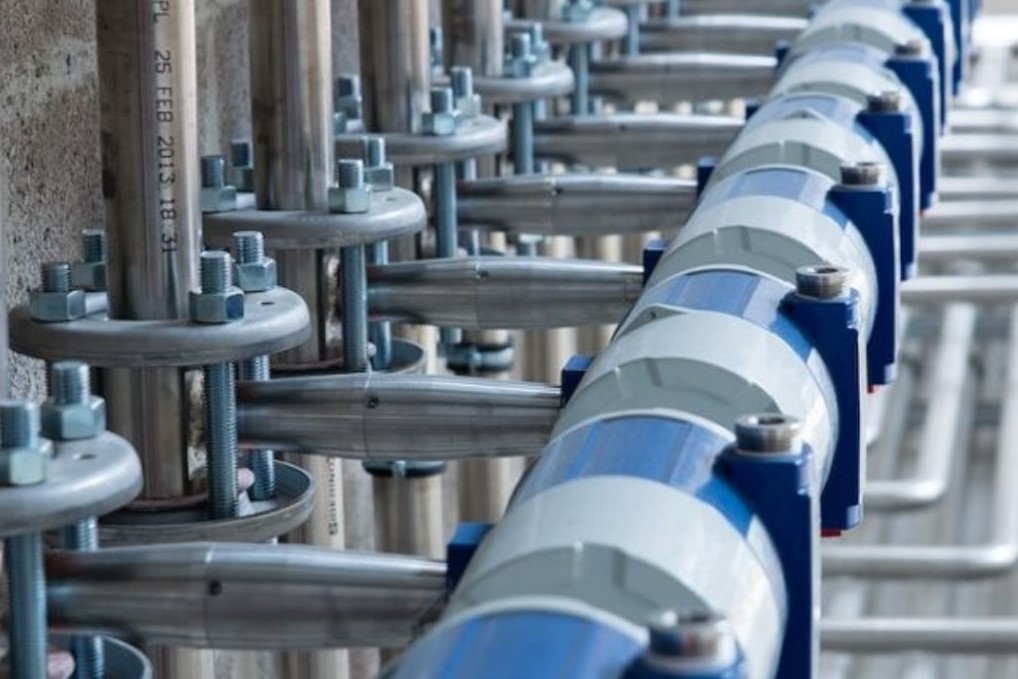
In a bold move toward sustainable innovation, Japan has launched its first osmotic power plant in Fukuoka—an exciting development that not only generates renewable electricity but also supports desalination, turning saltwater into fresh water.
This dual-purpose facility is a glimpse into the future of clean energy and water security, especially for coastal regions facing freshwater shortages.
How It Works: Power from Salt and Fresh Water
The plant harnesses osmotic energy, also known as “blue energy,” by exploiting the natural pressure created when freshwater and saltwater meet across a semi-permeable membrane. This pressure drives turbines to produce electricity—no combustion, no emissions.
But here’s the twist: the system is designed to work in tandem with a desalination plant, using the residual brine from the desalination process to enhance the salinity gradient and boost energy output. It’s a smart synergy of water purification and power generation.
Key Highlights
- 880,000 kWh/year: Enough to power around 220 homes.
- Desalination Support: Uses brine waste to increase efficiency.
- Low Environmental Impact: No fossil fuels, minimal emissions.
- Global Potential: Osmotic energy could generate up to 1,700 TWh annually worldwide.
Why This Matters for Desalination
Desalination is often criticized for its high energy demands and brine waste. Japan’s osmotic plant flips that narrative by recycling brine to generate clean energy, making the desalination process more sustainable and cost-effective.
This approach could be a game-changer for regions that rely on desalination but struggle with energy costs and environmental concerns.
Challenges and Innovations
While osmotic power is promising, it faces hurdles like membrane fouling and energy losses during water pumping. The Fukuoka plant tackles these with advanced membrane and pumping technologies, setting a new benchmark for efficiency.
Looking Ahead
Japan’s success could inspire similar projects worldwide. With climate-tech companies in France already planning osmotic installations, the momentum is building. As freshwater scarcity and energy demands rise, integrated solutions like this could redefine how we power and hydrate our cities.
Bottom Line: Japan’s osmotic power plant isn’t just about electricity—it’s about smarter desalination, cleaner energy, and a more sustainable future.
(Source: Energy-reporters)