


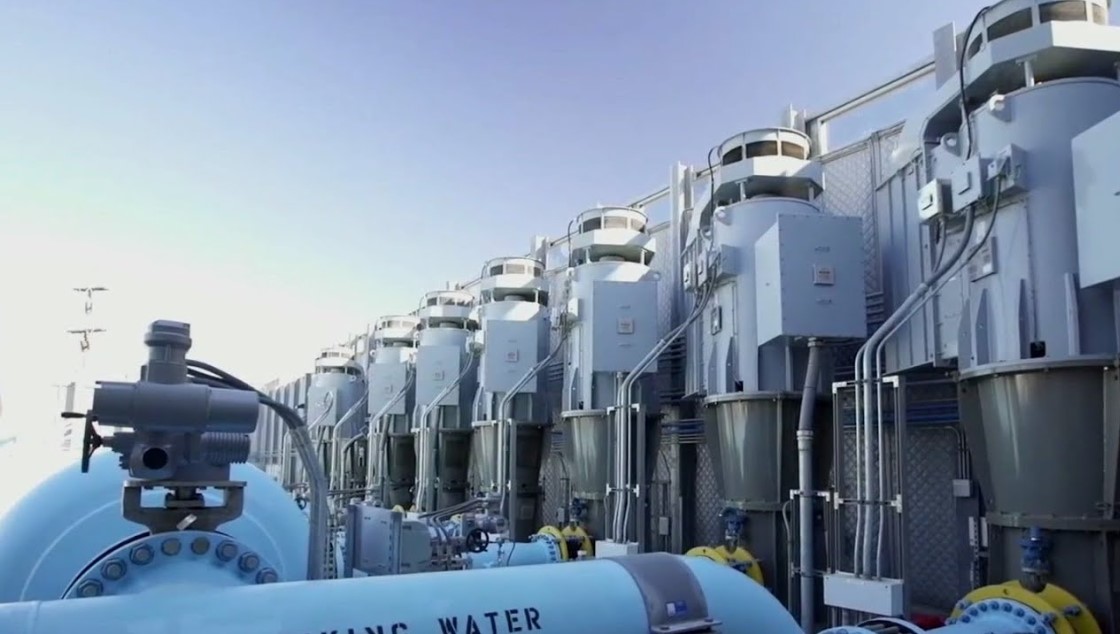
The City of Antioch has unveiled a cutting-edge brackish water desalination facility, marking a significant advancement in California’s efforts to secure reliable water sources amid increasing drought and salinity challenges. Located near the city’s existing treatment plant, the new facility is designed to treat up to 6 million gallons per day of brackish water from the Sacramento–San Joaquin River Delta using energy-efficient reverse osmosis technology.
Backed by $10 million in Proposition 1 grant funding and a $60 million low-interest loan from the California Water Boards, the plant is expected to supply up to 40% of Antioch’s drinking water once fully operational by the end of 2025. This will significantly reduce the city’s dependence on imported water and groundwater, especially during dry spells.
Serving a population of around 112,000, the facility enhances regional resilience by mitigating saltwater intrusion and supporting agricultural and urban water needs. It’s the first desalination plant in the California Delta and only the second in the Bay Area, following Newark’s facility.
Brackish desalination is a more sustainable and cost-effective alternative to seawater desalination, particularly for inland communities. The Antioch project exemplifies how strategic funding, smart engineering, and infrastructure reuse can deliver climate-resilient water solutions.
This initiative is part of California’s broader strategy to diversify water sources and adapt to climate variability. The state continues to invest in desalination research and pilot projects through partnerships like the National Alliance for Water Innovation (NAWI), aiming to reduce energy costs and improve system efficiency
(Source: Water California)