


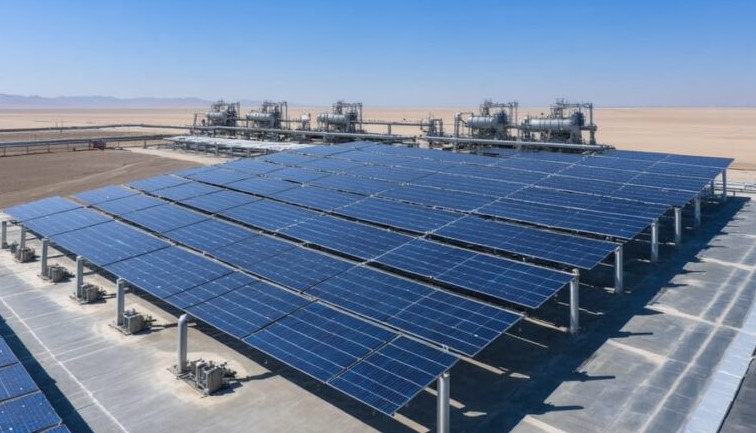
The global solar water desalination plant market is experiencing rapid growth, driven by rising freshwater shortages, sustainability mandates, and the adoption of renewable-powered technologies. Traditional desalination methods reliant on fossil fuels are increasingly unsustainable, making solar-powered systems a cost-effective, low-carbon alternative for residential, industrial, and municipal applications.
Key Market Highlights
- Current Market Size (2024): $1.5 billion
- Projected Market Size (2030): $4 billion
- CAGR: 10.5%
- Growth Drivers:
- Escalating water scarcity
- Clean energy policies
- Demand for off-grid water solutions
- Lower operating costs
- Government sustainability initiatives
Technologies Leading the Shift
- Solar Reverse Osmosis (RO)
- Photovoltaic-Thermal (PVT) systems
- Solar Multi-Effect Distillation (MED)
- Solar Still and Humidification-Dehumidification (HDH)
- Hybrid solar desalination systems
Why It Matters
Over 2 billion people live in water-stressed regions, making solar desalination a critical solution. These systems combine renewable energy with advanced filtration to deliver clean water with near-zero emissions. They are particularly valuable for remote communities, islands, disaster zones, and agricultural areas.
Regional Outlook
- Middle East & Africa: Highest adoption due to severe water scarcity
- Asia-Pacific: Fastest growth, led by India and China
- North America: Expanding in drought-prone regions
- Europe: Focused on R&D and sustainable infrastructure
- Latin America: Growth in agriculture and coastal projects
Recent Developments
- Acciona launched solar-integrated desalination facilities in the Middle East.
- Abengoa introduced hybrid systems for municipal water supply.
- AquaSwiss expanded modular solar RO units for islands.
- IDE Technologies piloted solar-battery hybrid plants.
- Veolia partnered on carbon-neutral desalination initiatives.
Expert Insight:
“Solar desalination unites two global priorities—clean water and clean energy. As scarcity intensifies, these plants will be essential for sustainable, decentralized water production.” — Exactitude Consultancy
(Source: Open PR)