


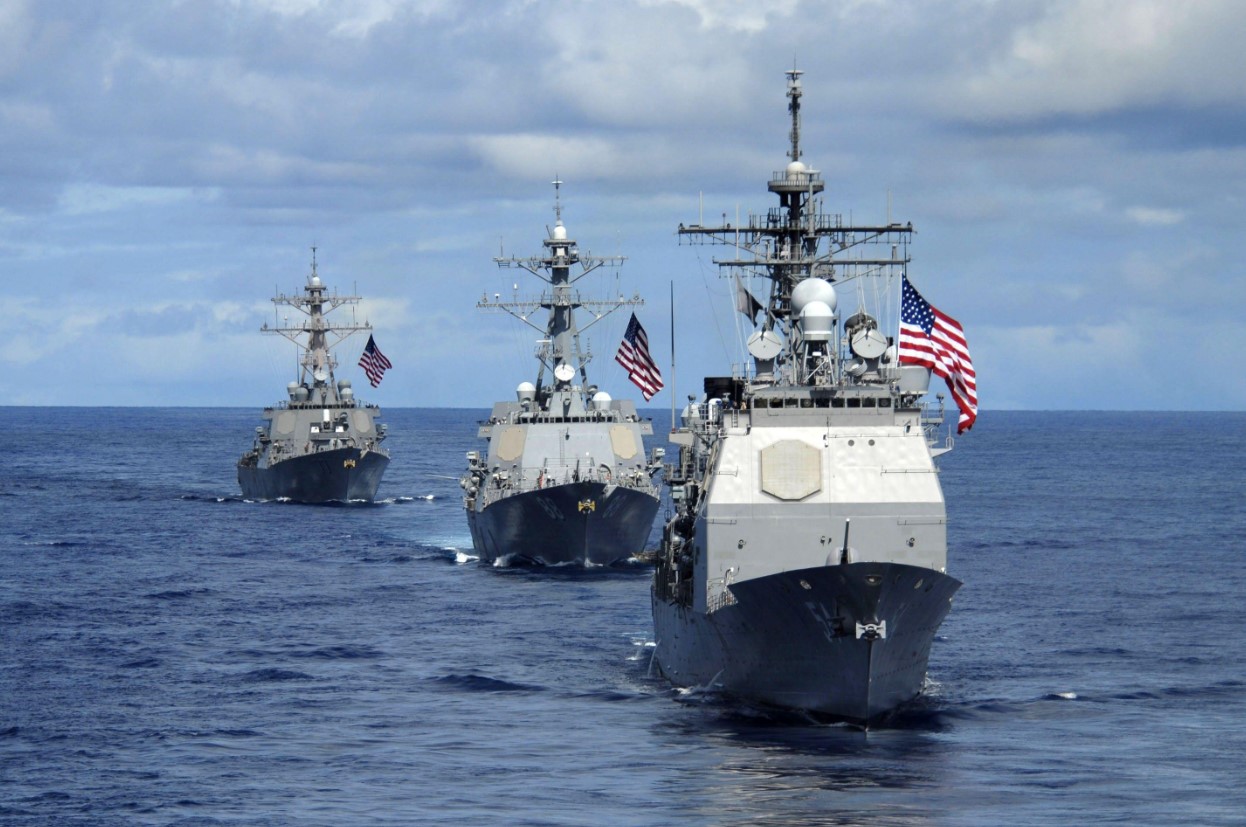
Modern aircraft carriers like the USS Gerald R. Ford, INS Vikrant, and HMS Queen Elizabeth are not just military powerhouses—they are self-sustaining floating cities, capable of operating independently for months. A key enabler of this autonomy is onboard desalination, which transforms seawater into fresh water to support thousands of crew members.
With over 5,000 personnel aboard a Nimitz-class carrier, daily life mirrors that of a small town. These vessels house medical facilities, galleys serving 18,000 meals a day, gyms, and even TV studios. Central to sustaining this ecosystem is the desalination system, which ensures a continuous supply of potable water for drinking, cooking, hygiene, and medical use—without relying on external sources.
Desalination plants aboard these carriers use advanced reverse osmosis and thermal distillation technologies, powered by nuclear reactors that can operate for over 25 years without refueling. This allows the ships to remain at sea indefinitely, even in remote or hostile environments.
The Indian Navy’s INS Vikrant, for example, supports over 1,700 personnel and includes desalination capabilities that rival land-based infrastructure. These systems are vital not only for daily operations but also for humanitarian missions, where carriers provide emergency water supplies to disaster-stricken regions.
As navies modernize, desalination remains a cornerstone of carrier design—ensuring resilience, sustainability, and operational independence in the world’s most advanced maritime platforms.
(Source: WIO news)