


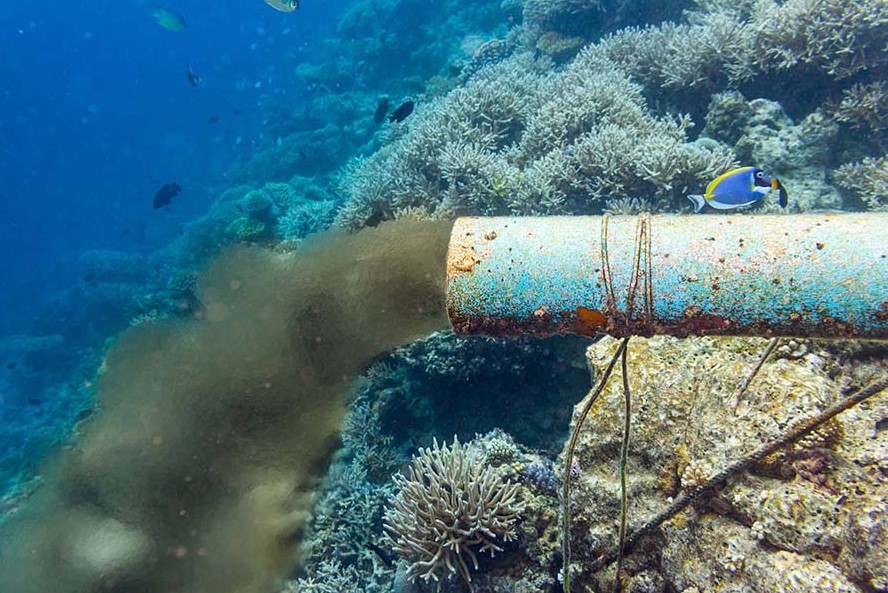
As industries and desalination plants grapple with the environmental and economic challenges of managing saline wastewater (brine), innovative water treatment strategies are emerging. One of the most promising is brine valorization—a process that not only treats brine but also recovers valuable resources like water, salts, minerals, and even rare metals.
The Problem with Brine Disposal
Brine, a concentrated by-product of desalination and industrial processes, poses serious environmental risks. Traditional disposal methods are costly and increasingly unsustainable. The high salt content can damage ecosystems, and the sheer volume of waste makes disposal a logistical challenge.
A Circular Solution: Brine Valorization
Brine valorization flips the script by treating brine as a resource rather than waste. Using Minimal Liquid Discharge (MLD) and Zero Liquid Discharge (ZLD) systems, industries can recover usable water and extract minerals like sodium, magnesium, calcium, and even high-value metals such as lithium and rubidium. While common salts have modest market value, rare metals offer significant economic potential—though extraction is currently limited to lab-scale operations.
Membrane-Based Technologies Leading the Way
Traditional methods like reverse osmosis (RO) and distillation are effective but energy-intensive. New membrane technologies—such as Nanofiltration (NF), Osmotically Assisted Reverse Osmosis (OARO), and Closed Circuit Reverse Osmosis (CCRO)—are making brine treatment more efficient and scalable. These systems can selectively separate ions, concentrate brine, and reduce scaling risks.
Electrochemical processes like Electrodeionization (EDI) and Electrodialysis Metathesis (EDM) are also gaining traction, enabling precise extraction and purification of valuable components.
Hybrid Systems for Enhanced Efficiency
Advanced hybrid systems combine membrane separation, precipitation, and internal recycling. These configurations optimize water recovery, reduce intake volumes, and lower capital costs. For example, internal recycling of processed brine can reduce intake needs by up to 15%.
Challenges to Overcome
Despite the promise, brine valorization faces hurdles:
- High energy demand, often reliant on fossil fuels
- Complex waste management for non-valuable by-products
- Market access and cost competitiveness compared to traditional mining or solar pond extraction
Economic and Environmental Benefits
Brine valorization offers multiple advantages:
- Waste reduction: Minimizes environmental impact by reducing discharge
- Resource efficiency: Maximizes use of existing materials
- Supply chain resilience: Enables local production of salts and chemicals
- New revenue streams: Extracted materials can be sold, offsetting operational costs
Looking Ahead
Ongoing research is focused on improving the scalability, efficiency, and sustainability of brine valorization. As technologies evolve, this approach could revolutionize water treatment, turning a costly waste stream into a source of economic and environmental value—supporting a circular economy and a CO₂-free future.
(Source: Chemical Industry Digest)